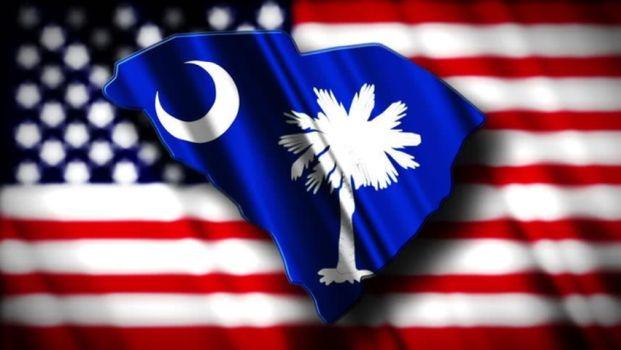

SALUTE TO BRIG. GEN MICAH JENKINS - Born Dec. 1, 1835 on Edisto Island, South Carolina to Capt. John and Elizabeth Grimball Clark Jenkins. He graduated first in his class from the South Carolina Military Academy, now called The Citadel, in 1854. Jenkins then organized the King's Mountain Military School from 1855 to 1861.
Jenkins recruited a company of the 5th South Carolina Infantry Regiment and was elected as colonel on April 13, 1861. He fought under David R. Jones at the First Battle of Manassas and later was brigaded under General Richard H. Anderson. During the April 1862 reorganization of the army, Jenkins retained his command of the 5th South Carolina. At the Battle of Seven Pines, Anderson was temporarily put in division command while Jenkins got brigade command of his own regiment, the 6th South Carolina, and the Palmetto Sharpshooters. He led with distinction in that battle, leading his brigade around the Union's flanks to their rear and forcing them to retreat 1.5 miles to the rear. During the battle, he was wounded in the knee.
Also during that year Jenkins was colonel of the Palmetto Sharpshooters. Considered one of the war's "boy generals", he was promoted to the rank of brigadier general on July 22, 1862, at the age of 26. He was later wounded at the Second Battle of Manassas in August 1862, this time in the shoulder and chest. Consequently, Jenkins was absent from the Army of Northern Virginia when it fought the Battle of Sharpsburg.
Jenkins' brigade served in the division of Maj. Gen. George Pickett at the Battle of Fredericksburg, although it was not engaged. Pickett's division participated in the campaign of Lt. Gen. James Longstreet against Suffolk, Virginia, in 1863, but Jenkin's brigade was retained near Richmond, Virginia, missing the Battle of Gettysburg.
Jenkins and his brigade went with Hood's Division of the First Corps to Tennessee in the fall of 1863, and participated in the second day's fighting of the Battle of Chickamauga on September 20. When division commander Maj. Gen. John Bell Hood was elevated to lead a corps; a bitter rivalry broke out over his succession. Brig. Gen. Evander Law had been in the division since it was created and had already commanded it on several occasions, including at Gettysburg and Chickamauga. However Jenkins was the senior officer, being promoted three months earlier, and with support of Longstreet took command. The internal quarrel greatly hindered the unit's efficiency in late 1863. When the corps returned to the Army of Northern Virginia in early 1864 the issue was resolved when Brig. Gen. Charles W. Field, who was senior to both, was assigned to the division, given command and promoted to Major General.
On January 16, 1864, Jenkins led his brigade to victory in the small Battle of Kimbrough's Crossroads against Federal cavalry. During the Battle of the Wilderness, Jenkins was riding with Lt. Gen. Longstreet when both were shot by friendly fire on May 6, 1864. Longstreet was severely wounded while Jenkins was struck in the forehead, instantly paralyzing one side of the South Carolinian’s body and knocking him unconscious.
Carried to the rear, Jenkins continued to move his non-paralyzed hand to the wound in his forehead and continue to mutter uncomprehendingly. Approximately five hours later, according to observers and eyewitnesses, Micah Jenkins died.
His body was sent back to Charleston, South Carolina where he was buried in Magnolia Cemetery.
Jenkins recruited a company of the 5th South Carolina Infantry Regiment and was elected as colonel on April 13, 1861. He fought under David R. Jones at the First Battle of Manassas and later was brigaded under General Richard H. Anderson. During the April 1862 reorganization of the army, Jenkins retained his command of the 5th South Carolina. At the Battle of Seven Pines, Anderson was temporarily put in division command while Jenkins got brigade command of his own regiment, the 6th South Carolina, and the Palmetto Sharpshooters. He led with distinction in that battle, leading his brigade around the Union's flanks to their rear and forcing them to retreat 1.5 miles to the rear. During the battle, he was wounded in the knee.
Also during that year Jenkins was colonel of the Palmetto Sharpshooters. Considered one of the war's "boy generals", he was promoted to the rank of brigadier general on July 22, 1862, at the age of 26. He was later wounded at the Second Battle of Manassas in August 1862, this time in the shoulder and chest. Consequently, Jenkins was absent from the Army of Northern Virginia when it fought the Battle of Sharpsburg.
Jenkins' brigade served in the division of Maj. Gen. George Pickett at the Battle of Fredericksburg, although it was not engaged. Pickett's division participated in the campaign of Lt. Gen. James Longstreet against Suffolk, Virginia, in 1863, but Jenkin's brigade was retained near Richmond, Virginia, missing the Battle of Gettysburg.
Jenkins and his brigade went with Hood's Division of the First Corps to Tennessee in the fall of 1863, and participated in the second day's fighting of the Battle of Chickamauga on September 20. When division commander Maj. Gen. John Bell Hood was elevated to lead a corps; a bitter rivalry broke out over his succession. Brig. Gen. Evander Law had been in the division since it was created and had already commanded it on several occasions, including at Gettysburg and Chickamauga. However Jenkins was the senior officer, being promoted three months earlier, and with support of Longstreet took command. The internal quarrel greatly hindered the unit's efficiency in late 1863. When the corps returned to the Army of Northern Virginia in early 1864 the issue was resolved when Brig. Gen. Charles W. Field, who was senior to both, was assigned to the division, given command and promoted to Major General.
On January 16, 1864, Jenkins led his brigade to victory in the small Battle of Kimbrough's Crossroads against Federal cavalry. During the Battle of the Wilderness, Jenkins was riding with Lt. Gen. Longstreet when both were shot by friendly fire on May 6, 1864. Longstreet was severely wounded while Jenkins was struck in the forehead, instantly paralyzing one side of the South Carolinian’s body and knocking him unconscious.
Carried to the rear, Jenkins continued to move his non-paralyzed hand to the wound in his forehead and continue to mutter uncomprehendingly. Approximately five hours later, according to observers and eyewitnesses, Micah Jenkins died.
His body was sent back to Charleston, South Carolina where he was buried in Magnolia Cemetery.
SALUTE TO BRIG. GEN MICAH JENKINS - Born Dec. 1, 1835 on Edisto Island, South Carolina to Capt. John and Elizabeth Grimball Clark Jenkins. He graduated first in his class from the South Carolina Military Academy, now called The Citadel, in 1854. Jenkins then organized the King's Mountain Military School from 1855 to 1861.
Jenkins recruited a company of the 5th South Carolina Infantry Regiment and was elected as colonel on April 13, 1861. He fought under David R. Jones at the First Battle of Manassas and later was brigaded under General Richard H. Anderson. During the April 1862 reorganization of the army, Jenkins retained his command of the 5th South Carolina. At the Battle of Seven Pines, Anderson was temporarily put in division command while Jenkins got brigade command of his own regiment, the 6th South Carolina, and the Palmetto Sharpshooters. He led with distinction in that battle, leading his brigade around the Union's flanks to their rear and forcing them to retreat 1.5 miles to the rear. During the battle, he was wounded in the knee.
Also during that year Jenkins was colonel of the Palmetto Sharpshooters. Considered one of the war's "boy generals", he was promoted to the rank of brigadier general on July 22, 1862, at the age of 26. He was later wounded at the Second Battle of Manassas in August 1862, this time in the shoulder and chest. Consequently, Jenkins was absent from the Army of Northern Virginia when it fought the Battle of Sharpsburg.
Jenkins' brigade served in the division of Maj. Gen. George Pickett at the Battle of Fredericksburg, although it was not engaged. Pickett's division participated in the campaign of Lt. Gen. James Longstreet against Suffolk, Virginia, in 1863, but Jenkin's brigade was retained near Richmond, Virginia, missing the Battle of Gettysburg.
Jenkins and his brigade went with Hood's Division of the First Corps to Tennessee in the fall of 1863, and participated in the second day's fighting of the Battle of Chickamauga on September 20. When division commander Maj. Gen. John Bell Hood was elevated to lead a corps; a bitter rivalry broke out over his succession. Brig. Gen. Evander Law had been in the division since it was created and had already commanded it on several occasions, including at Gettysburg and Chickamauga. However Jenkins was the senior officer, being promoted three months earlier, and with support of Longstreet took command. The internal quarrel greatly hindered the unit's efficiency in late 1863. When the corps returned to the Army of Northern Virginia in early 1864 the issue was resolved when Brig. Gen. Charles W. Field, who was senior to both, was assigned to the division, given command and promoted to Major General.
On January 16, 1864, Jenkins led his brigade to victory in the small Battle of Kimbrough's Crossroads against Federal cavalry. During the Battle of the Wilderness, Jenkins was riding with Lt. Gen. Longstreet when both were shot by friendly fire on May 6, 1864. Longstreet was severely wounded while Jenkins was struck in the forehead, instantly paralyzing one side of the South Carolinian’s body and knocking him unconscious.
Carried to the rear, Jenkins continued to move his non-paralyzed hand to the wound in his forehead and continue to mutter uncomprehendingly. Approximately five hours later, according to observers and eyewitnesses, Micah Jenkins died.
His body was sent back to Charleston, South Carolina where he was buried in Magnolia Cemetery.
0 Reacties
0 aandelen
8K Views
0 voorbeeld

 English
 Arabic
 French
 Spanish
 Portuguese
 Deutsch
 Turkish
 Italiano
 Russian
 Romaian
 Portuguese (Brazil)
 Greek
Greek